Category: Programming and AI

  • Best Laptop for Web Development in Kenya

    Best Laptop for Web Development in Kenya

    The best laptop for web development in Kenya should handle your editor, browser, build tools and local services together. For a typical multitasking starting point, compare 16GB RAM and an SSD, then run a representative project. A lightweight editor’s own minimum requirements do not describe the whole development environment. WordPress, PHP/Laravel, Java, frontend builds and backend services can place very different demands on a laptop.

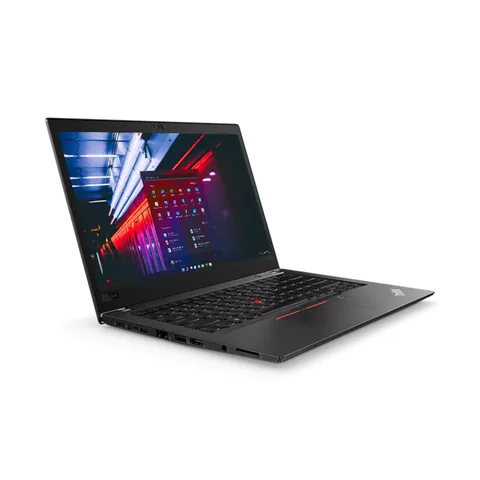
    The listed T480s and EliteBook 840 G8 configurations provide two 16GB options to investigate. The 32GB EliteBook x360 example is relevant when a measured workload needs more memory. Its convertible features may be unnecessary for development, so compare the full cost against the actual need.

    Quick comparison: listed configurations and prices

    Model Advertised configuration Listed price Listing shop
    Lenovo ThinkPad T480s Intel Core i7 (8th generation); 16GB RAM; 512GB SSD KSh 29,700 Onit Computers Nairobi
    HP EliteBook 840 G8 Intel Core i5 (11th generation); 16GB RAM; 256GB SSD KSh 37,800 Onit Computers Nairobi
    HP EliteBook x360 1030 G8 Intel Core i7 (11th generation); 32GB RAM; 512GB SSD KSh 61,560 Onit Computers Nairobi

    Prices checked on Laptop Prices Kenya on 20 November 2026. These are advertised configurations, all listed as Ex-UK refurbished. They are not checkout confirmations or a survey of every Kenyan seller. Confirm the exact unit, current total, battery condition and written terms with the named shop.

    Describe the development stack before buying

    List the editor, language runtime, database, browser and supporting services. Also note whether you use containers, virtual machines, mobile emulators or local AI tools. Those additions can change the purchase much more than the broad label “coding”.

    For a student, ask which tools the course expects during the next year. A computer-science or software-engineering course may introduce several stacks. The right buying brief includes the operating system and a representative assignment, not simply a preferred processor brand.

    Development workflow What to measure What to verify
    Frontend and browser testing Build responsiveness with normal tabs open Editor, runtime and browser support
    PHP, Laravel or local WordPress Editor plus web server and database use Required language, database and extension versions
    Java or service-heavy backend work Build tools and application memory together Runtime version and project-specific needs
    Containers and several services Total concurrent resource use Virtualization and host requirements

    Why an editor minimum is only one part of the brief

    Visual Studio Code’s requirements describe the editor. Your project may add a compiler, local server, database and testing tools beside it. Therefore, do not select memory solely from the editor’s installation minimum.

    For container-based work, check Docker’s current host requirements and the intended backend. Confirm the actual CPU and BIOS support before assuming a used machine can run the environment. Account for project data and downloaded images when sizing storage.

    Frontend, backend and full-stack developers can all use a project trial. Choose a normal repository that you are allowed to demonstrate. Avoid sharing employer code or credentials with a retailer.

    Compare the listed options by capacity and constraints

    The T480s offer lists 16GB RAM and a 512GB SSD with an older Core i7 generation. Its storage and lower advertised price make it a useful comparison for budget-conscious developers. However, we have not timed builds or verified every toolchain on the actual unit.

    The EliteBook 840 G8 offer advertises an 11th-generation Core i5, 16GB RAM and a 256GB SSD. It provides a newer listed CPU generation but less storage. Multiple development environments and local databases may make a storage quote worth obtaining before purchase.

    The 32GB x360 1030 G8 configuration lists a 512GB SSD and an 11th-generation Core i7. Investigate it when memory observations justify the extra cost. Do not treat the higher capacity as proof of faster builds, and do not pay for the convertible format unless it adds value to your work.
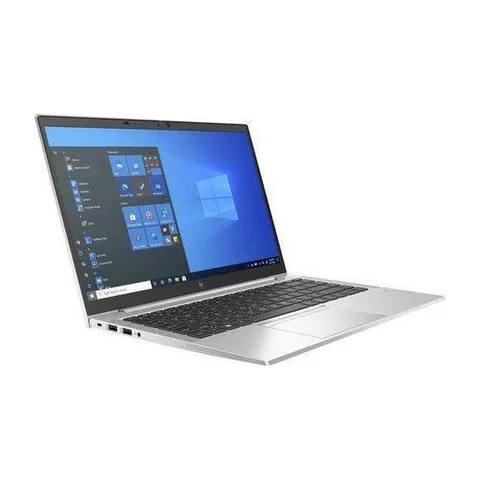
    HP EliteBook 840 G8 catalog product photograph
    Catalog photograph sourced from LaptopPrices.co.ke. Confirm the actual unit and configuration with the seller.

    A useful project acceptance test

    1. Confirm the intended operating system and supported runtime versions.
    2. Open a permitted sample repository in the chosen editor.
    3. Install or use the project dependencies through an agreed demonstration setup.
    4. Run the normal build, local service and browser workflow together.
    5. Observe memory use, available storage, fan behaviour and responsiveness.
    6. Repeat comparable tasks on each candidate under similar power settings.

    Record what the test establishes and what it leaves unknown. A network download can affect timing. A successful small sample does not guarantee every production build. The purpose is to reveal a mismatch before paying, not to invent a precise benchmark.

    Choose the operating system intentionally

    Confirm the platform your course, employer or project supports. Linux users should check the exact hardware and distribution, including wireless, sleep and external displays. Mobile projects may introduce host-platform requirements beyond ordinary web work.

    If you also need Windows business applications, account for that workflow rather than assuming a future installation will solve every problem. Similarly, confirm how paid development tools and plugins are licensed. A retailer’s installed application is not a substitute for access to your own supported environment.

    Leave room for the setup around the laptop

    A comfortable keyboard and external screen connection can matter during long coding sessions. Test both before buying. Add required adapters and storage upgrades to the complete quote.

    Use the memory and SSD guide and the programming laptop hub for wider comparisons. Inspect refurbished hardware using the used-device checklist.

    Common questions

    Is 16GB RAM enough for full-stack work?

    It is a practical starting configuration to investigate. The number of services and their working data can justify more. Measure a representative project.

    Do I need a dedicated GPU for web development?

    Base that purchase on a specific graphics or local-compute task. It is not a substitute for enough memory and a supported development stack.

    Will Core i7 always compile faster?

    No ranking follows from the badge alone. Exact CPU, cooling, project and power settings matter.

    Find the best laptop for web development in Kenya by testing your stack. Request a quote with the RAM, storage and operating-system requirements, then compare the complete configurations.

    Research method and sources

    This AI-assisted guide compares published specifications and advertised marketplace offers checked on 20 November 2026. It is not a hands-on review. Individual battery life, exact CPU part numbers and any omitted graphics details remain unverified. Laptop Prices Kenya helps buyers compare independent shops; the selling shop handles the sale and its own warranty terms.

  • Best Laptop for Android App Development in Kenya

    Best Laptop for Android App Development in Kenya

    The best laptop for Android app development in Kenya depends heavily on whether you will test on a physical phone or run an emulator on the laptop. Start with the current Android Studio requirements and the exact toolchain your course or team uses. Do not assume that a laptop suitable for an editor automatically meets emulator requirements. The checked catalog does not provide enough exact CPU and graphics information to approve a complete emulator configuration.

    The offers below are capacity examples to screen. Their listed 16GB or 32GB RAM is useful information, but it does not establish graphics compatibility, virtualization support or suitability for a particular Android project.

    Catalog configurations to screen before choosing

    Model Advertised configuration Listed price Listing shop
    Lenovo ThinkPad T480s Intel Core i7 (8th generation); 16GB RAM; 512GB SSD KSh 29,700 Onit Computers Nairobi
    HP EliteBook 840 G8 Intel Core i5 (11th generation); 16GB RAM; 256GB SSD KSh 37,800 Onit Computers Nairobi
    HP EliteBook x360 1030 G8 Intel Core i7 (11th generation); 32GB RAM; 512GB SSD KSh 61,560 Onit Computers Nairobi

    Prices checked on Laptop Prices Kenya on 20 November 2026. These are advertised configurations, all listed as Ex-UK refurbished. They are not checkout confirmations or a survey of every Kenyan seller. Confirm the exact unit, current total, battery condition and written terms with the named shop.

    These offers are research candidates. The available records do not establish that they meet every software, graphics or feature requirement discussed below. Obtain the missing details before treating an offer as suitable.

    Physical-device testing and emulation are different purchases

    A physical-device workflow uses a compatible phone to run the application while the laptop provides development tools. An emulator runs a virtual device on the computer and adds its own requirements. Ask your department or team whether both are mandatory.

    The current Android Studio installation page distinguishes Studio from Studio with an emulator. It lists 8GB RAM for Studio alone and 16GB for Studio plus the emulator, with 32GB recommended. It also specifies CPU, virtualization and graphics conditions. Check the live page for the exact release before buying.

    Workflow Purchase question Proof to request
    Android Studio with a physical phone Does the host meet Studio and project requirements? Full CPU, OS, memory and a working sample
    Studio with local emulator Does the complete machine meet emulator requirements? Virtualization, exact GPU and an emulator trial
    Cross-platform development Which host systems and target platforms are required? Toolchain-specific platform documentation

    Do not infer emulator support from these listings

    The T480s offer lists an older-generation Core i7, 16GB RAM and a 512GB SSD. It provides a price and capacity reference, not an emulator approval. Obtain the complete processor and graphics details and compare them with the current official requirements.

    The EliteBook 840 G8 offer lists an 11th-generation Core i5, 16GB RAM and a 256GB SSD. Its CPU generation alone is insufficient for a verdict. The exact processor class, virtualization setting and graphics configuration still need verification.

    The 32GB EliteBook x360 1030 G8 gives a higher-memory reference with a 512GB SSD. More RAM does not remove other requirements. The checked records do not establish that its exact hardware meets every condition on Android Studio’s emulator list.

    HP EliteBook 840 G8 catalog product photograph
    Catalog photograph sourced from LaptopPrices.co.ke. Confirm the actual unit and configuration with the seller.

    Flutter and React Native still need a target-platform brief

    A shared application codebase does not mean every host computer can build and test every target platform. List whether the project targets Android, iOS, desktop or the web. Then check the current framework and target-platform documentation.

    For Android targets, account for the Android SDK and chosen testing method. If iOS output is required, obtain the current Apple build-tool and host requirements before buying a Windows laptop. Do not assume an emulator or a later software installation will remove a platform restriction.

    Also consider the normal project environment. A browser, editor, build tools and local services may run together. If Docker is part of the workflow, verify its host requirements separately rather than counting only the mobile tools.

    Run the right sample project

    1. Write down the required toolchain, operating system and target devices.
    2. Obtain the laptop’s complete CPU and GPU names.
    3. Confirm required virtualization support and settings.
    4. Open a permitted sample app using the intended build tools.
    5. Build and launch using the testing method you will actually need.
    6. Observe memory, storage use and stability while supporting apps remain open.

    Use a realistic demonstration rather than simply opening Android Studio. A blank project proves less than building and running the kind of app you will develop. Record any part of the workflow the seller cannot demonstrate.

    Budget for storage and the testing device

    SDKs, virtual-device images, dependencies and build outputs can consume substantial space over time. Ask for a storage upgrade quote if the advertised SSD leaves too little room for the planned tools. Do not treat installation space as the whole development-storage budget.

    If physical-device testing is allowed, include the required phone and cable in the plan. Confirm compatibility and permission to use the device. The lower cost of a laptop does not help if an essential testing device is missing.

    Explore the programming laptop hub for broader configurations and the RAM and storage guide for capacity choices.

    Common questions

    Does 32GB RAM guarantee emulator performance?

    No. CPU, graphics, virtualization, operating system and the project also matter. Verify the complete official requirement set.

    Can I use a physical phone instead?

    That may be appropriate for some workflows, but confirm the course or team’s requirements and demonstrate the actual setup.

    Which shortlisted laptop is the verified winner?

    The available records do not establish one for emulator use. The missing hardware details prevent a responsible ranking.

    Choose the best laptop for Android app development in Kenya by specifying the testing workflow first. Request a quote with the official requirements attached and ask for a sample build demonstration before payment.

    Research method and sources

    This AI-assisted guide compares published specifications and advertised marketplace offers checked on 20 November 2026. It is not a hands-on review. Individual battery life, exact CPU part numbers and any omitted graphics details remain unverified. Laptop Prices Kenya helps buyers compare independent shops; the selling shop handles the sale and its own warranty terms.