Category: Students and Education

  • Best Laptop for Teachers Working From Home in Kenya

    Best Laptop for Teachers Working From Home in Kenya

    The best laptop for teachers working from home in Kenya should support the whole lesson: preparation, screen sharing, marking and follow-up. For teaching with several apps open, compare 16GB RAM configurations with an SSD. Next, test your actual teaching platform, microphone and presentation method. A touchscreen can help some teachers, but only when it supports a task they use. Do not pay a premium for a feature that will stay idle.

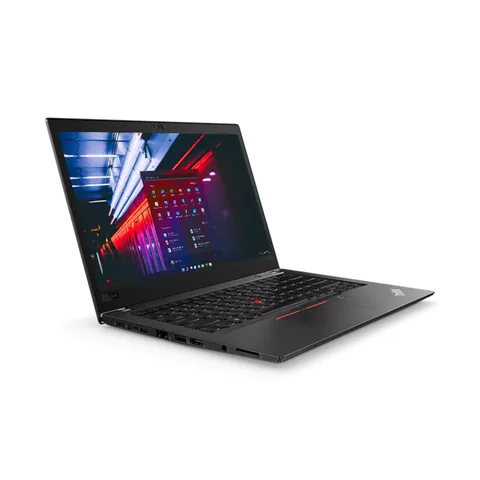
    The ThinkPad T480s offers a lower listed price with 16GB RAM and a 512GB SSD. The EliteBook 840 G8 adds a newer advertised CPU generation. The EliteBook x360 1030 G8 is a convertible option to investigate if handwriting or tablet-style use is central to your lessons.

    Quick comparison: listed configurations and prices

    Model Advertised configuration Listed price Listing shop
    Lenovo ThinkPad T480s Intel Core i7 (8th generation); 16GB RAM; 512GB SSD KSh 29,700 Onit Computers Nairobi
    HP EliteBook 840 G8 Intel Core i5 (11th generation); 16GB RAM; 256GB SSD KSh 37,800 Onit Computers Nairobi
    HP EliteBook x360 1030 G8 Intel Core i7 (11th generation); 16GB RAM; 512GB SSD KSh 59,400 Onit Computers Nairobi

    Prices checked on Laptop Prices Kenya on 20 November 2026. These are advertised configurations, all listed as Ex-UK refurbished. They are not checkout confirmations or a survey of every Kenyan seller. Confirm the exact unit, current total, battery condition and written terms with the named shop.

    Choose around the lesson you actually teach

    A discussion-based language lesson needs different equipment from a mathematics lesson built around handwritten workings. A teacher recording demonstrations may also need more storage than someone who shares short slides. Before shopping, write down how learners will see, hear and receive each part of the lesson.

    Use a sample lesson as your buying brief. List the meeting app, slide software, browser tabs, documents and any recording tool. Then identify the input method: keyboard, mouse, pen tablet or active stylus. This makes it easier to decide whether a convertible is worth its additional cost.

    Teaching style Prioritise Test
    Slides and discussion Clear audio, screen sharing and enough memory Present a lesson while taking questions
    Handwritten explanations Confirmed pen support or a suitable external input device Write equations and annotate a document
    Recorded demonstrations Storage headroom and stable recording workflow Make and play a sample recording

    What each shortlisted configuration offers

    The ThinkPad T480s listing includes an 8th-generation Core i7, 16GB RAM and a 512GB SSD. That combination gives a teacher more listed storage for lesson material within a lower device budget. However, the CPU generation and refurbished condition require inspection. Test screen sharing with the actual unit rather than relying on the processor badge.

    The EliteBook 840 G8 offer pairs an 11th-generation Core i5 with 16GB RAM and a 256GB SSD. It is a candidate for teachers who want a conventional 14-inch format. The smaller SSD is a trade-off if you save recordings locally. Ask for the cost of a suitable upgrade before comparing the complete price.

    The EliteBook x360 1030 G8 option lists an 11th-generation Core i7, 16GB RAM and a 512GB SSD. Its convertible format makes it relevant to handwritten teaching, but the listing does not prove that a compatible active pen is included. Confirm pen support, the exact pen model and its price. Touch input by itself is not enough.
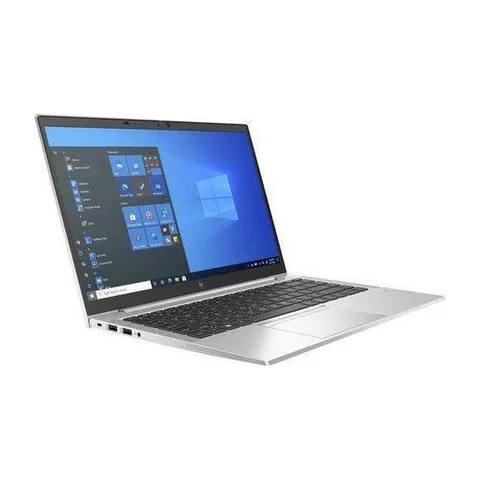
    HP EliteBook 840 G8 catalog product photograph
    Catalog photograph sourced from LaptopPrices.co.ke. Confirm the actual unit and configuration with the seller.

    Test sound and screen sharing as one workflow

    Open your teaching platform, share a slide and speak through the microphone you intend to use. Ask another person to join from a second device. They should check that your voice is clear and the shared material is readable. Make the test with the laptop connected to the same kind of headset or input device you will use at home.

    Zoom’s desktop requirements recommend a more capable setup than its minimum access specification. For other platforms, check their own current requirements. A successful call in a shop also does not prove that your home connection will support a full class.

    Keep the learner’s view in mind. Very small text or a full desktop with many windows can make a lesson difficult to follow. Test the specific presentation arrangement before buying a more expensive laptop to solve what may be a layout problem.

    Decide whether a pen is worth paying for

    If handwriting is central to your teaching, compare two complete setups. One is a compatible pen and convertible laptop. The other is a conventional laptop with an external writing device. Include every required accessory in the price and test the writing experience before choosing.

    Try the kinds of marks you actually make: fractions, diagrams, annotations or language symbols. Check palm handling and whether the software saves your notes in a useful format. A general product photograph cannot establish that these features work on a particular used unit.

    For teachers who mostly type and discuss, a good microphone or a more comfortable desk may deserve the budget first. Choose the feature that improves the lesson, not simply the model with the longest specification list.

    Plan storage and pupil-data handling

    Recordings, slide decks and downloaded resources can gradually fill an SSD. Keep only the material you need locally and maintain another copy of important work. If you use a school account, confirm the school’s rules for storing pupil information and sharing recordings.

    Create a separate account for other family members who use the laptop. Check that class documents and saved sessions are not accessible from that account. Avoid placing learner details in a shop demonstration; use sample material instead.

    Also confirm the required operating system and Windows 11 compatibility where relevant. If a school requires assessment or monitoring software, ask about the exact supported version before purchasing.

    A teacher’s pre-purchase lesson test

    1. Open your normal lesson apps and resources.
    2. Share a slide and a document, then switch between them.
    3. Test the microphone, headset and any writing device.
    4. Make a short sample recording if recording is part of your work.
    5. Check available storage, the battery and the included charger.
    6. Request written terms for the laptop and any bundled accessories.

    The RAM and storage guide can help with configuration questions. Use the used-device checklist for the physical inspection.

    Common questions

    Do all touchscreen laptops support a teaching pen?

    No. Confirm active-pen support for the exact model and check the pen itself. A touch display may only provide finger input.

    Do teachers need a dedicated graphics card?

    Base that decision on the actual teaching software. Ordinary lesson preparation and specialist creative or technical instruction can have very different requirements.

    Is a 256GB SSD too small?

    It depends on your saved material and software. Add up your current files and expected recordings, then leave room for updates and future resources.

    Choose the best laptop for teachers working from home in Kenya

    Use one representative lesson to compare the whole setup. Request quotes with your teaching requirements, including any pen or writing device. The education laptop hub offers additional configurations to explore.

    Research method and sources

    This AI-assisted guide compares published specifications and advertised marketplace offers checked on 20 November 2026. It is not a hands-on review. Individual battery life, exact CPU part numbers and any omitted graphics details remain unverified. Laptop Prices Kenya helps buyers compare independent shops; the selling shop handles the sale and its own warranty terms.
  • Best Laptop for Data Science Students in Kenya

    Best Laptop for Data Science Students in Kenya

    The best laptop for data science students in Kenya depends on whether your course focuses on spreadsheets, Python notebooks and tabular data, or expects demanding local GPU work. For many introductory workflows, compare 16GB RAM and an SSD before paying for a dedicated graphics card. Use your course requirements to decide when more memory or local acceleration becomes necessary. A laptop for cloud notebooks is a different purchase from a machine intended to train large models locally.

    The ThinkPad T480s and EliteBook 840 G8 offer two listed 16GB configurations to investigate. A 32GB EliteBook x360 1030 G8 provides a higher-memory comparison, although its convertible design may add features you do not need. None of these offers establishes a verified local GPU-training configuration.

    Quick comparison: listed configurations and prices

    Model Advertised configuration Listed price Listing shop
    Lenovo ThinkPad T480s Intel Core i7 (8th generation); 16GB RAM; 512GB SSD KSh 29,700 Onit Computers Nairobi
    HP EliteBook 840 G8 Intel Core i5 (11th generation); 16GB RAM; 256GB SSD KSh 37,800 Onit Computers Nairobi
    HP EliteBook x360 1030 G8 Intel Core i7 (11th generation); 32GB RAM; 512GB SSD KSh 61,560 Onit Computers Nairobi

    Prices checked on Laptop Prices Kenya on 20 November 2026. These are advertised configurations, all listed as Ex-UK refurbished. They are not checkout confirmations or a survey of every Kenyan seller. Confirm the exact unit, current total, battery condition and written terms with the named shop.

    Define the data science work before buying

    Ask your department which tools and assignments appear in the first year. Python, R, spreadsheets, databases and statistics notebooks do not all place the same demands on a laptop. Also ask whether the course provides lab machines or cloud resources for heavier work.

    Separate three activities: editing code, processing data and training models. A responsive coding environment does not prove that a laptop can process every dataset. Equally, learning about machine learning does not automatically mean your first laptop needs an expensive dedicated GPU.

    Study activity Primary hardware question Buying action
    Small notebooks, SQL and coursework Can the normal toolset run together comfortably? Compare 16GB/SSD configurations and test a sample project
    Larger local datasets How much memory does the working process consume? Measure the sample; assess 32GB or an alternative workflow
    Local GPU training or inference Does the exact GPU and software stack support the workload? Obtain GPU, VRAM and compatibility evidence before buying

    Why a dataset can need more memory than its file size

    A saved file and its working representation are different things. Loading data, creating intermediate results and keeping several notebooks open can require more memory than the original download suggests. Therefore, do not select RAM solely by the size of a CSV file.

    Run a representative notebook on an available computer and observe memory use. Include the browser and other tools you normally keep open. Use the result as a practical guide, while allowing for larger assignments later. These shortlist recommendations are buying starting points rather than universal requirements.

    If you need more capacity, compare both the purchase price and confirmed upgrade options. Some thin laptops have memory that cannot be expanded. Ask the seller for the exact configuration and consult the manufacturer’s documentation before counting on a future upgrade.

    Compare the listed study configurations

    The ThinkPad T480s offer includes 16GB RAM and a 512GB SSD at a lower advertised price. That gives it useful storage headroom for local environments and coursework. Its older CPU generation is the main specification compromise. We have not timed notebooks or measured battery life on the actual unit.

    The EliteBook 840 G8 listing offers an 11th-generation Core i5, 16GB RAM and a 256GB SSD. It is worth investigating if you prefer that newer listed CPU generation. However, account for the space occupied by development tools, datasets and updates. Ask for a storage upgrade quote if your course materials will not fit comfortably.

    The 32GB EliteBook x360 1030 G8 is relevant when measured workloads justify more memory. It also lists a 512GB SSD and an 11th-generation Core i7. Its higher price and convertible format need a clear reason. Extra RAM does not establish dedicated graphics support or guarantee that a particular model-training task will run.

    HP EliteBook 840 G8 catalog product photograph
    Catalog photograph sourced from LaptopPrices.co.ke. Confirm the actual unit and configuration with the seller.

    Local CPU work, cloud notebooks and GPU work

    PyTorch’s installation guidance offers different compute-platform choices, including CPU configurations. CUDA support depends on compatible NVIDIA hardware and software. Confirm the course’s intended environment before buying a laptop around one framework.

    For cloud notebooks, your laptop mainly provides the interface and local supporting tools. However, you still need a dependable connection and a way to work when the service is unavailable. Google’s Colab FAQ explains that resources and usage limits can vary. Do not build an essential deadline around guaranteed access to a free GPU.

    If your assignments require local GPU work, obtain the exact graphics chip and dedicated video memory. VRAM is the memory available to the GPU; it is separate from system RAM. A vague advertisement saying only “4GB graphics” cannot establish framework compatibility or suitability for a particular model.

    A student budget should include the working environment

    Compare the laptop price with the cost of required upgrades, backup storage and any paid course tools. If you expect to use cloud compute, include a realistic allowance for it and connectivity. Keep these as separate budget lines rather than assuming they will always be free.

    For example, a lower-priced laptop with enough RAM may make sense if your department supplies heavier compute. A more expensive GPU machine may be justified if the course explicitly requires offline local work. The right answer comes from the curriculum and evidence, not from the broad label “data science”.

    Browse the AI laptop finder for the wider local-versus-cloud distinction. The memory and storage guide explains the basic hardware terms.

    What to test before paying

    1. Confirm the full CPU name, installed memory and SSD capacity.
    2. Check support for the course’s operating system and required software.
    3. Run a non-sensitive sample notebook and observe memory use.
    4. Test the keyboard, screen, Wi-Fi and battery away from the charger.
    5. Obtain written details for any claimed GPU or planned upgrade.

    Common questions

    Do I need 32GB RAM from the first semester?

    Only the course and a representative workload can establish that need. Compare 32GB when measured memory use or known assignments justify it, rather than treating it as mandatory for every student.

    Can I learn machine learning without a dedicated GPU?

    Some introductory work can use a CPU or cloud environment. Confirm what your assignments require and check the framework’s current installation options.

    Is a workstation label enough for local AI?

    No. Check the exact GPU, its memory, software support and the intended model workload. A product-family label cannot replace those details.

    Choose the best laptop for data science students in Kenya

    Match the configuration to the course, test a sample and reserve GPU spending for a verified need. Ask shops for a configuration-specific quote, stating the RAM, storage and any exact GPU requirement. Use the comparison tool once you have suitable options.

    If the course uses Jupyter Notebook, Kaggle or Google Colab, specify where the code must run and test the required workflow. Keep any cloud-access assumptions separate from the laptop hardware brief, and confirm the permitted data and offline arrangements.

    Research method and sources

    This AI-assisted guide compares published specifications and advertised marketplace offers checked on 20 November 2026. It is not a hands-on review. Individual battery life, exact CPU part numbers and any omitted graphics details remain unverified. Laptop Prices Kenya helps buyers compare independent shops; the selling shop handles the sale and its own warranty terms.
  • Best Laptop for Law Students in Kenya

    Best Laptop for Law Students in Kenya

    The best laptop for law students in Kenya should make long reading sessions, research and writing easier. Prioritise a readable screen, a comfortable keyboard, an SSD and enough memory for your normal research tabs. You usually gain more from those basics than from a vague graphics upgrade. Before buying, also check your university’s assessment software and any required operating system. A low purchase price is not useful if the laptop cannot run an essential exam tool.

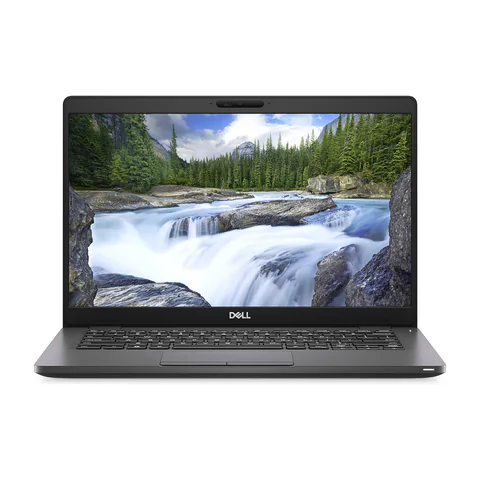
    The Dell Latitude 5300 is the lower-priced, smaller-screen option in this comparison. The ThinkPad T480s offers more advertised RAM and SSD space. The EliteBook 840 G8 provides a newer listed CPU generation with 16GB RAM, although its SSD is smaller than the ThinkPad option.

    Quick comparison: listed configurations and prices

    Model Advertised configuration Listed price Listing shop
    Dell Latitude 5300 Intel Core i5 (8th generation); 8GB RAM; 256GB SSD KSh 19,980 Onit Computers Nairobi
    Lenovo ThinkPad T480s Intel Core i7 (8th generation); 16GB RAM; 512GB SSD KSh 29,700 Onit Computers Nairobi
    HP EliteBook 840 G8 Intel Core i5 (11th generation); 16GB RAM; 256GB SSD KSh 37,800 Onit Computers Nairobi

    Prices checked on Laptop Prices Kenya on 20 November 2026. These are advertised configurations, all listed as Ex-UK refurbished. They are not checkout confirmations or a survey of every Kenyan seller. Confirm the exact unit, current total, battery condition and written terms with the named shop.

    Choose for reading and writing, not just the specification sheet

    Law coursework can involve long judgments, scanned readings, lecture notes and several sources open at once. The most useful laptop is one that lets you move between those materials comfortably. Try your real reading and writing arrangement before deciding that one screen size is enough.

    Open a sample PDF beside a document. Increase the text to the size you normally read and check how often you need to scroll or switch windows. A screen’s diagonal measurement does not establish its resolution, brightness or viewing quality. Ask for those details and inspect the actual panel.

    Study task Practical priority Shop test
    Reading cases and lecture notes Readable panel and comfortable scaling Read a long sample PDF in your usual view
    Writing essays with several sources Keyboard comfort and enough memory Type while switching among documents and tabs
    Online classes and assessments Platform compatibility, camera and audio Check the university’s actual requirements

    Three listed options and the trade-offs

    The Latitude 5300 offer advertises an 8th-generation Core i5, 8GB RAM, a 256GB SSD and a 13.3-inch screen. It may suit a buyer who wants a lower device budget and a smaller format. However, confirm that the screen remains comfortable for your reading. Its memory and storage capacity also leave less headroom than the larger configurations here.

    The ThinkPad T480s option lists 16GB RAM and a 512GB SSD, with an 8th-generation Core i7. It is worth investigating for students who keep many materials and apps open. The storage advantage is clear on the listing, but we have not tested the keyboard or battery on the actual unit. Inspect both before treating it as the better study machine.

    The EliteBook 840 G8 listing combines an 11th-generation Core i5, 16GB RAM and a 256GB SSD. It gives you another 14-inch option with a newer advertised CPU generation. Its smaller SSD is the main configuration compromise against the ThinkPad. Obtain an upgrade quote if your local reading library needs more space.

    Lenovo ThinkPad T480s catalog product photograph
    Catalog photograph sourced from LaptopPrices.co.ke. Confirm the actual unit and configuration with the seller.

    Test document handling with realistic materials

    Prepare a small sample folder before visiting a shop. Include a text-based PDF, a scanned reading, a document and a presentation. Use public or non-sensitive material. Open the files in the applications you expect to use and try searching, annotating and switching between them.

    A scanned document may need optical character recognition before its text becomes searchable. That is a software and document-preparation question as well as a hardware question. Do not assume that buying a higher-tier CPU will make every downloaded PDF searchable.

    Next, type for several minutes. Test punctuation, modifier keys, the trackpad and keyboard shortcuts. A working keyboard is not automatically a comfortable keyboard for long writing sessions. If you intend to use an external screen at home, confirm the connection and add the cable or adapter to your budget.

    Check assessment compatibility before payment

    Ask your department or examination office for its current device requirements. Confirm the operating system, browser and any assessment application. Requirements can vary between courses and institutions, so a seller’s general assurance is not enough.

    If Windows 11 is required, check Microsoft’s compatibility guidance for the actual hardware. An installed operating system does not by itself establish support. Ask the shop to demonstrate the configuration and record the full processor number.

    For online teaching or interviews, test the camera, microphone and headset. A successful login is only the beginning; make a short call and check that the other person can hear you clearly.

    Build an offline and backup routine

    Download essential readings before leaving a dependable connection. Open them once to confirm they are available locally. Keep folder names consistent so you can find materials by course and topic without relying on a long list of browser tabs.

    Save another copy of important notes and drafts in a separate location. Try restoring a sample document before you need to recover a real assignment. If you work with placement or clinic records, follow the institution’s rules for handling those files.

    For mobility, request battery evidence. Microsoft documents the Windows battery-report command, which can help reveal current capacity. However, capacity does not prove a full day of lectures. Test realistic use and ask what the seller covers if a battery problem appears.

    A student spending order

    1. Confirm essential assessment and course compatibility.
    2. Choose a screen and keyboard that suit prolonged study.
    3. Check sufficient RAM and SSD space for the actual workflow.
    4. Inspect battery condition, charger and physical wear.
    5. Add backup storage or essential accessories before optional features.

    The used-laptop checklist covers the physical inspection. Use the student laptop hub to compare other configurations if these examples do not fit your budget.

    Common questions

    Does a law student need a dedicated graphics card?

    Do not pay for one without an application that requires it. Put the normal reading, writing and assessment workflow first.

    Is a 13.3-inch screen too small?

    That depends on your eyesight, preferred scaling and working arrangement. Test a PDF beside your writing document rather than deciding from screen size alone.

    Should I choose 8GB or 16GB RAM?

    8GB can suit a modest setup. Consider 16GB if you keep many sources, documents and other apps open together. Compare the complete price and condition, too.

    Choose the best laptop for law students in Kenya

    Let the reading test and university requirements narrow your shortlist. Compare the actual configurations, then confirm the exact unit, included charger and written terms with the selling shop.

    Research method and sources

    This AI-assisted guide compares published specifications and advertised marketplace offers checked on 20 November 2026. It is not a hands-on review. Individual battery life, exact CPU part numbers and any omitted graphics details remain unverified. Laptop Prices Kenya helps buyers compare independent shops; the selling shop handles the sale and its own warranty terms.

  • Best Laptop for Architecture Students in Kenya

    Best Laptop for Architecture Students in Kenya

    The best laptop for architecture students in Kenya depends on the stage of the course and the software you must run. A machine for early drawings and presentations is a different purchase from one intended for complex building models or rendering. Start with your department’s software list, exact versions and representative projects. Then check RAM, the full CPU model and the exact graphics chip. A workstation name or an advertisement saying “4GB graphics” does not establish suitability.

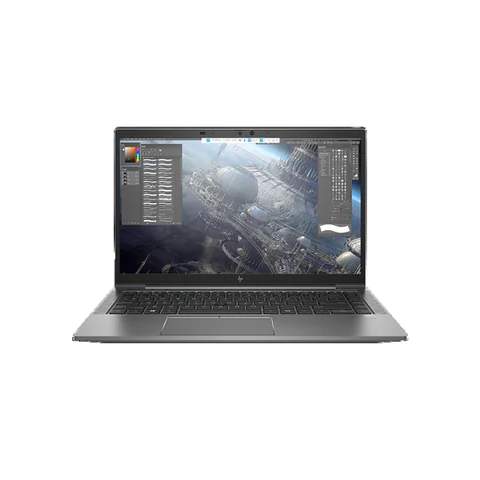
    The catalog offers a ZBook Firefly configuration without a specified dedicated GPU, plus two workstation listings that mention 4GB graphics without identifying the chip. They are candidates to investigate, not verified rendering recommendations. The missing GPU details must be resolved before a software-specific purchase.

    Quick comparison: listed configurations and prices

    Model Advertised configuration Listed price Listing shop
    HP ZBook Firefly 14 G8 Intel Core i5 (11th generation); 16GB RAM; 256GB SSD KSh 35,640 Onit Computers Nairobi
    Dell Precision 5550 Intel Core i7 (10th generation); 16GB RAM; 256GB SSD; 4GB graphics configuration; GPU model to confirm KSh 59,400 Onit Computers Nairobi
    HP ZBook Firefly 14 G8 Intel Core i7 (11th generation); 16GB RAM; 256GB SSD; 4GB graphics configuration; GPU model to confirm KSh 59,400 Onit Computers Nairobi

    Prices checked on Laptop Prices Kenya on 20 November 2026. These are advertised configurations, all listed as Ex-UK refurbished. They are not checkout confirmations or a survey of every Kenyan seller. Confirm the exact unit, current total, battery condition and written terms with the named shop.

    Choose by course stage and software version

    Ask your department what you will use during the next academic year. Separate 2D drafting, building information modelling, image work and rendering. BIM means building information modelling: software uses a structured building model rather than only separate drawings. Each workflow can change which hardware matters most.

    Next, ask whether heavier assignments use campus workstations. A personal laptop can support preparation and lighter work while another machine handles demanding tasks, if the course allows that arrangement. Do not assume lab access exists or will be available near deadlines; confirm it first.

    Course workload Decision to resolve Evidence needed
    Early drafting and presentations Can the required apps and sample files run comfortably? Exact application requirements and a project test
    BIM coursework Does the configuration meet the chosen version’s requirements? CPU, RAM, OS, graphics and adequate free storage
    Rendering and visualisation Will the chosen engine use this GPU effectively? Exact GPU, VRAM, driver support and representative scene test

    Use current Revit requirements carefully

    Autodesk’s Revit 2027 requirements list 16GB RAM for an entry-level configuration and recommend 4GB video memory. Those figures are not a promise that every student project will run comfortably. Check the requirements for the exact version used by your department, including the operating system and free storage.

    Keep installation space separate from working space. Project files, linked models, temporary files and other applications need room beyond the installation itself. A 256GB SSD can become restrictive depending on what you store. Obtain a suitable upgrade quote before deciding that the advertised laptop price covers the whole setup.

    Presentation and image-editing work also needs its own checks. Adobe publishes Photoshop’s desktop technical requirements. Confirm the relevant version and graphics support rather than assuming that a machine suitable for one application is automatically suitable for all of them.

    What the catalog does and does not establish

    The lower-priced ZBook Firefly 14 G8 listing advertises an 11th-generation Core i5, 16GB RAM and a 256GB SSD. It does not specify a dedicated GPU in the configuration record. Therefore, the ZBook family name is not evidence that this particular offer includes the graphics hardware your application needs.

    The Dell Precision 5550 offer lists a 10th-generation Core i7, 16GB RAM, a 256GB SSD and 4GB graphics. However, the graphics field explicitly says the GPU model needs confirmation. Ask for the complete chip name and a screenshot from the actual unit. Do not infer a particular NVIDIA GPU from the chassis name.

    The second ZBook Firefly 14 G8 configuration advertises an 11th-generation Core i7, 16GB RAM, a 256GB SSD and 4GB graphics. Again, the chip itself remains unspecified. Compare it with the Precision only after the seller supplies matching information. There is no evidence here to rank their rendering speed.

    Dell Precision 5550 catalog product photograph
    Catalog photograph sourced from LaptopPrices.co.ke. Confirm the actual unit and configuration with the seller.

    Send a precise GPU information request

    Ask the seller to provide the full laptop configuration, full CPU number, exact GPU name and dedicated video memory. Request evidence from the actual unit rather than a general model brochure. VRAM is memory used by the graphics processor; it is distinct from the laptop’s main RAM.

    Then compare that hardware with the renderer or visualisation tool you will use. Some workflows depend on particular graphics technologies and driver support. A memory figure alone cannot confirm compatibility. If the shop cannot identify the GPU, keep that offer outside a confirmed software shortlist.

    You can use the quotation request to state an exact requirement. Include the application version and any department-recommended configuration. This produces a more useful response than asking only for an “architecture laptop”.

    Test a project, not a blank application window

    1. Prepare a permitted, non-sensitive course sample with the necessary linked files.
    2. Confirm the application version and the laptop’s power settings.
    3. Open the sample and perform the tasks you expect to use.
    4. Check navigation, view changes, saving and any required export.
    5. For rendering, test the actual engine and chosen device where practical.
    6. Observe cooling behaviour, stability and usable free storage.

    Record the conditions so another candidate receives a comparable test. Simply opening the program demonstrates much less than using a representative project. We have not performed these tests on the shortlisted units, so their inclusion should not be read as a performance certification.

    Balance studio work and carrying the laptop

    A more powerful setup may also change charger size, noise and carrying weight. Ask for actual measurements rather than assuming every mobile workstation feels the same. If you work mainly in a studio, an external screen may help, but confirm the required display connection.

    For refurbished machines, inspect the screen, keyboard, hinges and battery. Ask whether the charger matches the unit’s required power. Keep the warranty scope and any upgrade arrangements in writing. The used-laptop checklist provides a starting inspection routine.

    Common questions

    Is 16GB RAM enough for architecture?

    It appears in some entry-level application requirements, but your project and software version can need more. Follow the course specification and test a representative model.

    Does “4GB graphics” prove that a laptop is suitable for rendering?

    No. You still need the chip name, compatibility details and evidence for the intended workload. The two listings here leave that crucial question open.

    Should I buy one of these workstation listings immediately?

    Resolve the missing details first. A conditional candidate is useful for research, but it is not a verified recommendation for your software.

    Choose the best laptop for architecture students in Kenya

    Start with the course, verify the exact hardware and test a project before committing. Explore the engineering laptop hub, then request a configuration-specific quote for the requirements your department confirms.

    Research method and sources

    This AI-assisted guide compares published specifications and advertised marketplace offers checked on 20 November 2026. It is not a hands-on review. Individual battery life, exact CPU part numbers and any omitted graphics details remain unverified. Laptop Prices Kenya helps buyers compare independent shops; the selling shop handles the sale and its own warranty terms.

  • Best Laptop for High School Students in Kenya

    Best Laptop for High School Students in Kenya

    The best laptop for high school students in Kenya should fit the school’s requirements, the learner’s tasks and the family budget. Begin with the actual learning platform, document tools and assessment rules. Then compare screen comfort, keyboard condition, an SSD and enough memory for the normal lesson. A very low price is not useful if essential software will not work or the battery and charger need immediate replacement.

    The Latitude 5300 and ThinkPad T480s examples provide lower-priced configurations to inspect. The EliteBook 840 G8 adds a listed 16GB RAM option. These are refurbished offers, so condition and written seller terms form an important part of the decision.

    Quick comparison: listed configurations and prices

    Model Advertised configuration Listed price Listing shop
    Dell Latitude 5300 Intel Core i5 (8th generation); 8GB RAM; 256GB SSD KSh 19,980 Onit Computers Nairobi
    Lenovo ThinkPad T480s Intel Core i5 (8th generation); 8GB RAM; 256GB SSD KSh 22,140 Onit Computers Nairobi
    HP EliteBook 840 G8 Intel Core i5 (11th generation); 16GB RAM; 256GB SSD KSh 37,800 Onit Computers Nairobi

    Prices checked on Laptop Prices Kenya on 20 November 2026. These are advertised configurations, all listed as Ex-UK refurbished. They are not checkout confirmations or a survey of every Kenyan seller. Confirm the exact unit, current total, battery condition and written terms with the named shop.

    Get the school’s requirements before shopping

    Ask which operating systems and browsers the school supports. Confirm whether lessons use installed software, browser tools, video meetings or a specific assessment application. If the school supplies an account, ask how the parent or learner should set up the device.

    Next, list the work the student will do at home. Reading assignments, typing reports and joining classes differ from specialist design, programming or music work. Buy for the actual subjects rather than an advertisement promising a laptop for every course.

    Study pattern Priority What to try
    Documents and research Readable screen, SSD and usable keyboard Read a PDF beside a writing document
    Online lessons Audio, camera and a stable connection Join a sample lesson with the intended headset
    Shared study at home Separate accounts and a clear storage routine Switch accounts and locate saved work

    Compare the listed choices carefully

    The Latitude 5300 offer lists a 13.3-inch screen, 8GB RAM and a 256GB SSD. It leaves more room for other expenses than the higher-priced example here. However, ask the learner to read and type on that screen. A compact format is only helpful if the working view remains comfortable.

    The lower-priced ThinkPad T480s configuration also lists 8GB RAM and a 256GB SSD, with a 14-inch screen. Its model-family name does not prove the condition of the keyboard, display or battery. Test those parts and confirm the exact CPU number.

    The EliteBook 840 G8 offer advertises an 11th-generation Core i5, 16GB RAM and a 256GB SSD. The extra memory may be useful for several apps at once. However, it is not necessary to spend more simply to collect a larger number on a specification sheet. Compare it with the school’s actual needs and the remaining family budget.

    Lenovo ThinkPad T480s catalog product photograph
    Catalog photograph sourced from LaptopPrices.co.ke. Confirm the actual unit and configuration with the seller.

    Build a lesson test the learner can perform

    1. Open the school’s permitted demonstration platform or a sample lesson.
    2. Read a document at a comfortable text size.
    3. Type a short assignment and save it in a clear folder.
    4. Join a test call, checking both the microphone and sound.
    5. Unplug the charger and observe the battery during normal use.
    6. Check that the learner can find and reopen the saved assignment.

    A student should take part in the test. Parents may notice a low price while the learner notices a keyboard that is hard to use or text that is too small. Neither perspective should replace the other.

    Use the meeting platform’s requirements where relevant, and check Windows compatibility if the school requires that system. An installed copy alone does not prove the hardware meets support requirements.

    Plan shared use and support

    If siblings share the laptop, give each learner a separate account and a clear way to save work. Decide when the device is available for lessons and assignments. A shared machine may need a household schedule as much as additional hardware.

    Ask who will install school software and help when an account or application stops working. Keep recovery information somewhere the parent can manage. Also make a backup of important assignments and test opening a copied file.

    For learners in areas with unreliable internet, ask whether essential materials can be downloaded in advance. Test that they open without a connection. Do not assume a browser bookmark is an offline copy or that buying a newer laptop will improve the internet service.

    Keep the full price within reach

    Add the correct charger, any essential headset, required software and delivery to the written quote. Ask what happens if a fault appears soon after purchase and whether the battery has different terms. Refurbished grades vary, so inspect the actual unit instead of relying on a label.

    The used-laptop checklist covers physical checks. The student hub provides a broader route for college and university requirements, where the course may introduce more demanding software.

    Common questions

    Should I buy the cheapest listed laptop?

    Only after checking compatibility, condition and the complete cost. The lowest sticker price does not establish the lowest usable purchase cost.

    Is 16GB RAM compulsory for schoolwork?

    No universal capacity applies to every school task. Use the required applications and a realistic lesson test to decide.

    Can one laptop serve two learners?

    It may, if their lesson times and software allow shared use. Check scheduling, separate accounts and storage before relying on that arrangement.

    Find the best laptop for high school students in Kenya by combining the school’s written requirements with the learner’s own trial. Request a quote for the complete study setup before making a payment.

    Research method and sources

    This AI-assisted guide compares published specifications and advertised marketplace offers checked on 20 November 2026. It is not a hands-on review. Individual battery life, exact CPU part numbers and any omitted graphics details remain unverified. Laptop Prices Kenya helps buyers compare independent shops; the selling shop handles the sale and its own warranty terms.